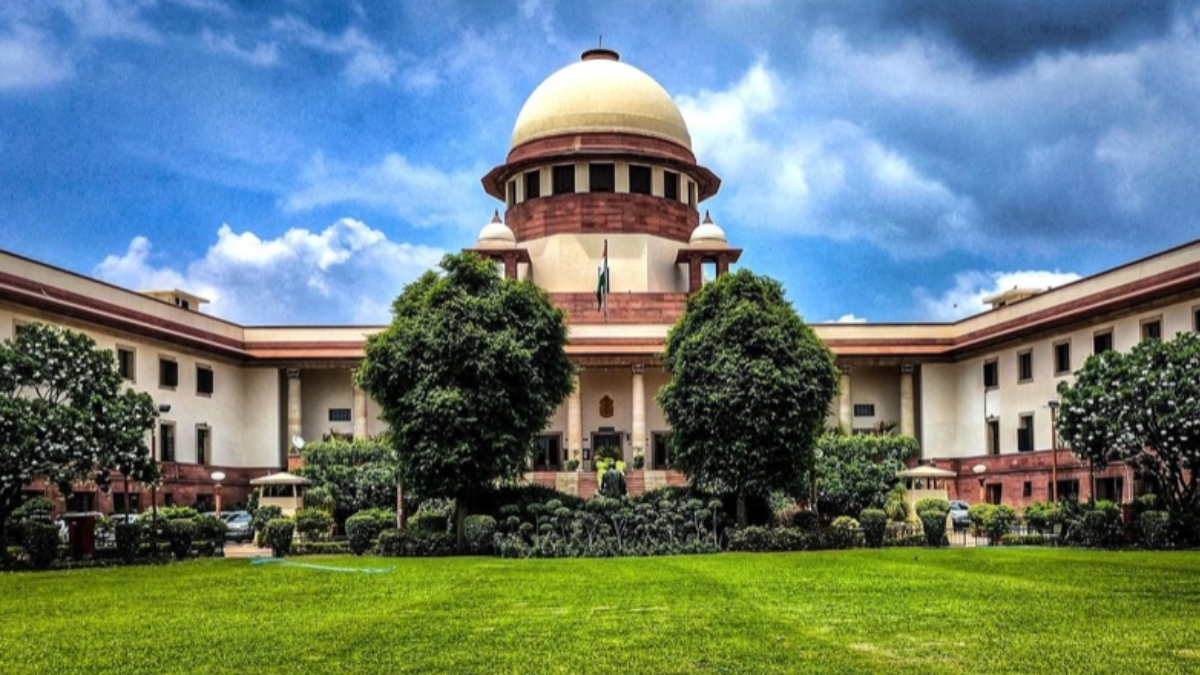
The Supreme Court of India has raised serious concerns over the massive backlog of 8.82 lakh execution petitions pending across district courts nationwide, describing the situation as “highly disappointing” and “alarming.”
Execution petitions are critical legal processes through which decree-holders seek enforcement of court judgments, often involving recovery of money, possession of property, or compliance with court orders.
The Court’s disappointment stems from the fact that despite a March 2025 directive requiring all High Courts to ensure disposal of these petitions within six months, massive pendency remains.
A bench led by Justices J.B. Pardiwala and Pankaj Mithal has been monitoring compliance with this order. They noted that although 3,38,685 execution petitions were disposed of over the last six months, more than 8.82 lakh cases remain unresolved, with key states such as Maharashtra (3.41 lakh), Tamil Nadu (86,000+), Kerala (82,000+), and Andhra Pradesh (68,000+) showing high pendency rates.
This backlog undermines the very essence of justice, as prolonged delays in enforcing decrees result in a “travesty of justice,” where litigants suffer despite favorable court rulings.
The Supreme Court has directed all High Courts to implement strict monitoring mechanisms to guide district courts for speedy disposal of execution petitions.
The Court has mandated submission of updated pendency data by April 2026 and warned that presiding officers failing to comply may face administrative consequences. The Court emphasized that justice is rendered meaningless if decree-holders cannot realize their legal victories without years of delay.
This alarming backlog highlights systemic inefficiencies and the urgent need for judicial reforms to ensure timely enforcement of court orders, restoring public trust in the justice delivery system. The upcoming April 2026 review by the Supreme Court will be critical in assessing progress and compliance measures undertaken by the High Courts.
In conclusion, the Supreme Court’s strong admonition serves as a crucial call for effective action to reduce this backlog, streamline execution processes, and uphold the fundamental principle that justice delayed must not be justice denied.