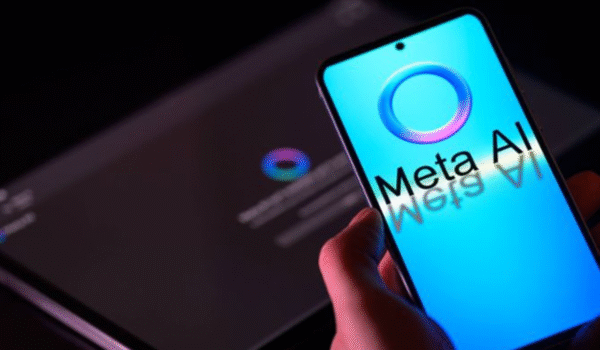
| Meta, the parent of Whatsapp, is banning general-purpose AI chatbots from WhatsApp starting January 15, 2026, meaning third-party AI assistants like ChatGPT, Perplexity, Luzia, and Poke will no longer operate on the platform after that date. The new policy only allows Meta’s own chatbot, Meta AI, to remain active, while businesses can still use task-specific AI bots for direct customer service, such as travel support agents or banking assistants. Meta has updated the WhatsApp Business API policy to specifically prohibit AI chatbot providers from distributing or hosting general-purpose assistants—defined as bots whose primary function is AI-powered conversation on any topic—via WhatsApp. This does not affect traditional automation for customer support or business-specific queries, which are still permitted. The reasons behind the Ban Meta aims to protect its infrastructure and revenue model by limiting overuse and unpredictable message volumes from third-party chatbots, favoring predictable conversations billed under business categories. The restriction centralizes control, enabling Meta to use its own AI for customer data collection and ad targeting, which could marginalize smaller businesses and competitors in the conversational AI space. The company aims to maintain control over WhatsApp’s business communications and monetization by limiting non-Meta chatbots. Only Meta AI will be accessible for general chat and assistant purposes going forward. Impact of this ban Third-party AI chatbots will be removed from WhatsApp by January 15, 2026, which affects millions of users who have been using these bots for everything from content generation to instant Q&A. Brands will lose the ability to offer all-encompassing AI solutions for WhatsApp users, which could reduce personalized engagement and convenience for clients. The policy will disrupt firms that built their customer communication strategies around WhatsApp-based general AI chatbots, forcing a pivot to more traditional customer service or shifting to Meta’s limited offerings. WhatsApp’s move may prompt businesses to seek alternative messaging platforms or adapt strategies to comply, potentially shifting their automation focus from generalized AI to narrow, purpose-driven bots. AI providers and developers will lose a crucial distribution channel, pushing innovation to other apps or direct business integration instead of chatting at scale with WhatsApp’s massive user base. In summary, Meta is shutting out third-party general-purpose AI chatbots from WhatsApp, protecting its revenue streams and consolidating AI assistance within its own Meta AI ecosystem. The API will not be impacted Businesses using the API for specific customer service tasks (like travel support, banking, retail order tracking) won’t be affected—those bots are still allowed because their role is limited to single-purpose, transactional interactions. Alternatives for Businesses Businesses seeking alternatives to WhatsApp for general-purpose AI chatbots have robust options with Telegram, Slack, Discord, Messenger, and specialized AI messaging solutions. Several messaging platforms still support general-purpose AI chatbots, making them popular alternatives for businesses after WhatsApp’s upcoming ban. Leading Platforms Supporting AI Chatbots Telegram: Known for its open bot API, Telegram allows easy integration of AI chatbots for wide-ranging conversational and assistant tasks. Slack: Supports both internal and external AI-powered bots for automation, customer support, and general Q&A, often used by businesses and teams. Discord: Enables highly customizable bots for community management, user engagement, and general-purpose chat, integrated with various AI platforms. Facebook Messenger: Allows deployment of general-purpose AI chatbots for customer interaction, marketing, and support. Signal: Supports some degree of chatbot integration, though typically less robust than Telegram or Discord. Specialized AI Messaging Platforms Whippy.ai: Provides an omnichannel messaging system (chat, SMS, voice) with advanced general-purpose AI chatbot capabilities, streamlining business communication and automation. Zendesk Answer Bot, Freshchat, Botsify: These platforms offer chatbot support across multiple channels, including popular messaging apps and websites, with broad AI-driven conversational features. Integration Tools Platforms like ChatBotKit and others enable cross-platform AI chatbot deployment, bridging several messaging apps for brands seeking unified engagement with customers. Meta’s decision to ban general-purpose AI chatbots from WhatsApp marks a significant shift in the platform’s approach to automation and AI-driven communication. While this move aims to protect system integrity and streamline business interactions, it will impact millions of users and businesses who have grown accustomed to the convenience and innovation provided by AI assistants. Going forward, companies and individuals will need to adapt by exploring alternative platforms or transitioning to Meta’s own AI offerings, signaling a new era in how messaging apps balance openness, user experience, and corporate control. |
Meta Bans AI Chatbots on WhatsApp: What You Need to Know