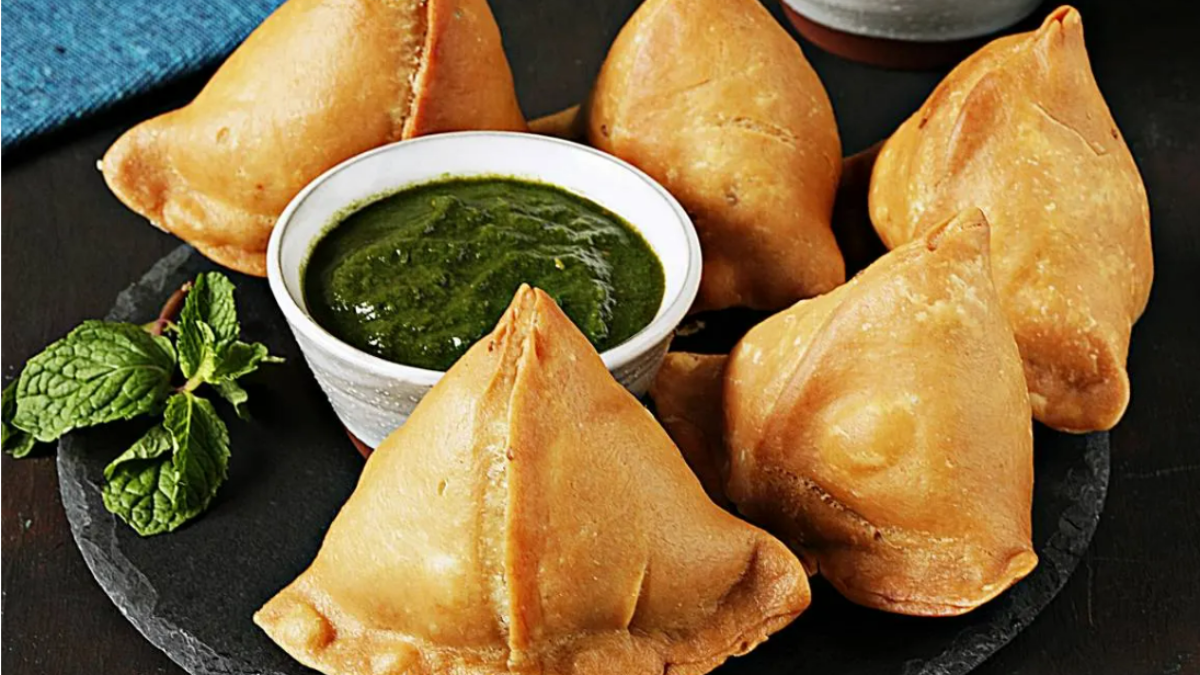
The samosa, a deep-fried Indian pastry stuffed with spiced potatoes, peas, or meat, is cherished worldwide for its irresistible taste and crispy bite. Whether enjoyed as a street snack or at home with evening tea, its popularity is undeniable. However, behind its tempting exterior lies an important question: Is eating samosa regularly good for your health?
Traditionally, a samosa contains White flour (maida) dough, a filling of potatoes, peas, spices, sometimes lentils or minced meat and deep-fried in oil. While the occasional samosa poses little harm, regularly consumption can negatively impact one’s health due to its nutritional profile and preparation method.
Potential Health Risks of Regularly Samosa Consumption:
High Calorie and Fat Content
Samosas are calorie-dense due to deep-frying and the use of carbohydrate-rich dough and filling. A medium-sized potato samosa contains approximately 150-200 calories, with high levels of saturated fats from cooking oil.
Trans Fats and Cholesterol
Many samosas are fried in reused or hydrogenated oils, which encourage the formation of trans fats – a well-known risk factor for heart disease, high cholesterol, and obesity. Frequent exposure increases the risk of clogged arteries, high blood pressure, and type 2 diabetes.
Refined Flour (Maida)
The outer layer is made from maida, a refined flour low in fiber and high on the glycemic index. Eating maida regularly can raise blood sugar, prompting insulin spikes and increasing the risk of metabolic syndrome.
Digestive Issues
The combination of fried food and low fiber can slow digestion, potentially causing constipation, stomach discomfort, and acidity. Those predisposed to gastrointestinal issues should be especially cautious.
Weight Gain
The high fat and calorie content, coupled with low nutritional value, can contribute to gradual weight gain if not balanced with physical activity.
How to Make Samosa Healthier
Change the Cooking Method: Try baking or air-frying samosas instead of deep-frying to cut oil and calories.
Use Whole Wheat Flour: Substituting maida with whole wheat flour boosts fiber and lowers glycemic load.
Add More Vegetables: Use fillings with a mix of fibrous vegetables (carrots, beans, spinach) for vital nutrients and lower calories.
Monitor Portion Sizes: Enjoy samosas as an occasional treat, not a daily staple.
Pair Wisely: Eat with salads, yogurt, or healthy chutneys to balance the fat content.
Experts and doctors repeatedly emphasize moderation – occasional indulgence is fine, but regularly samosa eating should be avoided. Instead, they encourage healthier, less oily snacks, plenty of physical activity, and conscious eating habits.
In summary, daily samosa consumption is discouraged by Indian health professionals due to its association with obesity, heart disease, diabetes, and digestive disorders. Moderate, mindful enjoyment – rather than habitual eating – is advised for long-term health.
While samosas are delicious and fine as an occasional indulgence, making them a regularly habit is unhealthy – primarily due to their high fat, refined carbohydrate, and calorie content. Long-term regular consumption increases the risk of obesity, heart disease, diabetes, and digestive problems. Moderation and mindful ingredient swaps allow you to enjoy this beloved snack without compromising your well-being. As with all treats, the key is balance and variety in your daily diet.
Disclaimer: This article only provide generic information and prepared for education purpose only. Do not treat it as a substitute for qualified medical opinion. Always consult a specialist for specific health advise.